How to Respond to Passive-Aggressive Slack Messages: 4 Scripts

To respond to passive-aggressive Slack messages, separate emotional bait from operational facts and address only the practical project need in a brief, calm reply. Avoid matching sarcasm or over-apologizing. In Bestie AI, vent your immediate frustration with Buddy, decode ambiguous phrasing with Cory, and let Pavo draft clean, audit-proof replies where coworkers do not see the conversation.
Summary: How to Respond to Passive-Aggressive Slack Messages
To respond to passive-aggressive Slack messages, separate emotional bait from operational facts and address only the practical project need in a brief, calm reply. Avoid matching sarcasm or over-apologizing.
Once you isolate the logistical core, draft a response that sets clear deadlines and professional boundaries. Using an AI companion squad allows you to vent workplace stress privately so coworkers do not see the conversation.
Handling a Passive-Aggressive Slack Message
Scenario: A coworker leaves an ambiguous, sharp remark in your shared Slack channel.
Identify the primary job: address project coverage without validating the personal guilt trip.
Why this works: You prevent an emotional workplace argument while clearly maintaining your established operational boundaries.
Draft a neutral factual response: "My deliverables for today are complete and uploaded to drive."
Why this works: The reply documents completed tasks on the record without apologizing for signing off.
Offer a scheduled collaboration checkpoint: "I can review further deck adjustments tomorrow morning at nine."
Why this works: The message establishes supportive teamwork within appropriate work hours while preventing after-hours scope creep.
Response Templates by Situation
Select an assertive, low-drama response template tailored to the exact workplace scenario you are facing.
Situation: A colleague subtly shames your work hours or boundaries.
- Objective operational boundary: "I've completed today's assigned tasks. I'll be back online tomorrow at 8:30 AM to assist further."
- Firm factual boundary: "My scheduled hours ended at 5 PM. Let's sync tomorrow if anything critical remains."
Situation: A coworker uses pointed documentation language to imply incompetence.
- Clarifying action: "Thanks for flagging. To make sure we are fully aligned on the next steps, I'll proceed with option B."
- Direct limit: "Understood. I will review that specific section now and submit the update today."
Situation: A peer sends loaded, vague feedback like 'Fine...' or 'If you say so.'
- Inviting direct feedback: "Do you foresee a specific roadblock with this plan? Happy to review any concrete concerns."
- Closing the loop: "We will move forward with this version unless there are specific blockers by noon."
Situation: A teammate compliments your deliverable while undermining your effort or skill.
- Confident professional pivot: "The data has been verified. Let me know if you spot any discrepancy during your review."
- Short acknowledgment: "Thanks. All calculations follow our standard guidelines."
- No contact: You may also choose not to reply at all.
Step-by-Step Response Strategy
Follow these steps to draft, edit, and send your reply:
Paste the confusing or hostile Slack message into Bestie AI to decode hidden subtext.
Why this works: You distinguish between unaddressed personal frustration and genuine task requirements without reacting impulsively.
Identify the practical operational request while intentionally ignoring snide comments or vague insinuations.
Why this works: Your response remains strictly anchored to business tasks, stripping the sender of conversational leverage.
Draft a concise, documented reply focusing solely on deliverables, deadlines, and agreed responsibilities.
Why this works: Your written communication stays impeccably professional, defensible, and safe for any manager to inspect.
Consult Pavo and Vix to polish phrasing before sending your final workplace message.
Why this works: You confirm your reply sets a firm professional boundary while coworkers do not see the conversation.
Pitfalls to Avoid
Watch out for these common workplace communication traps when handling hostile Slack chats:
- Matching snide hostility: Firing back with equal sarcasm creates a toxic chat transcript that damages your reputation.
- Over-apologizing for standard boundaries: Saying sorry for taking scheduled time off validates unreasonable workplace demands.
- Taking subtext into public channels: Arguing about hidden motives in team channels distracts coworkers and escalates tension.
- Over-explaining simple decisions: Providing lengthy paragraphs justifying basic workflows signals insecurity and invites further critique.
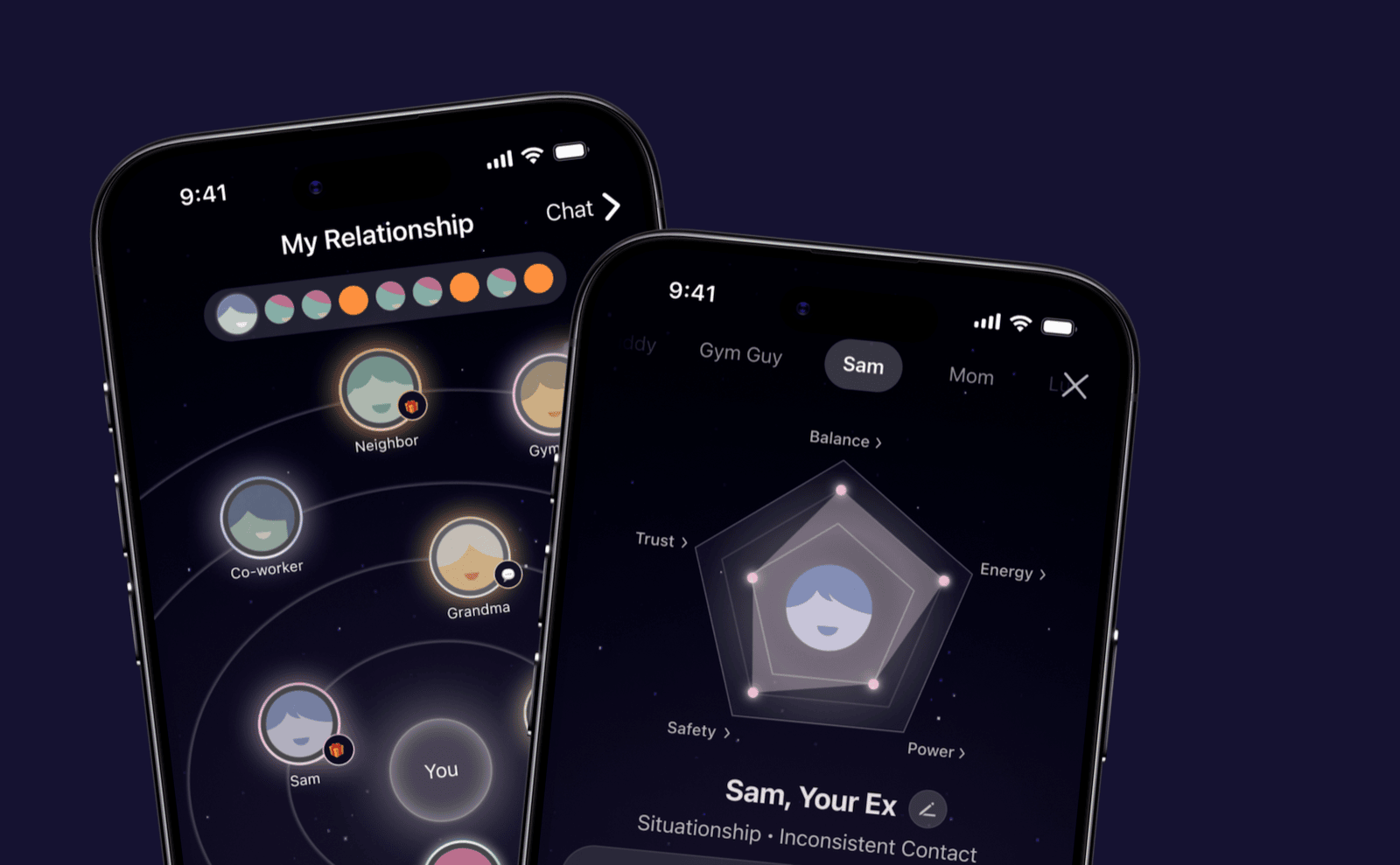
How the Bestie AI Squad & Relationship Map Help
 Buddy · Safe venting first
 Cory · Pattern spotter
 Pavo · Reply phrasing coach
 Vix · Grounded reality check
 Luna · Late-night calm reset
Workflow Comparison: Navigating How To Respond To Passive Aggressive Slack Messages
| Workflow Dimension | Bestie AI for How To Respond To Passive Aggressive Slack Messages | Static Notes / Generic Single-Bot Chat |
|---|---|---|
| Handling how to respond to passive aggressive slack messages | Paste the confusing or hostile Slack message into Bestie AI to decode hidden subtext.; vent the raw emotion privately first before drafting your reply | Drafting directly in the live message thread while emotions are still elevated |
| Tone & Boundary Calibration | Compare warm phrasing (Pavo) with candid reality checks (Vix) and pattern context (Cory) | Single-voice AI rewrites that often sound overly formal or corporate |
| Relationship Context | Updates your Relationship Profile so you can track recurring communication dynamics over time | One-off advice with no memory of past conversations or boundaries |
Frequently Asked Questions About How To Respond To Passive Aggressive Slack Messages
Should I reply right away to a passive-aggressive Slack message?
Take a breath and wait a few minutes before typing. Stepping away prevents an emotionally reactive defense and gives you time to focus exclusively on factual project logistics.
How do Buddy and Pavo help process stressful workplace communications?
Buddy offers immediate, supportive space to vent your frustration without workplace fallout, while Pavo engineers poised, low-drama scripts designed for clear business outcomes.
Is Bestie AI free to download?
Yes, Bestie AI is free to download with optional in-app purchases, giving you access to squad discussions, reflection cards, and relationship tracking tools.
Next Steps
Before you hit send on Slack, clarify your single operational goal. Remove defensive qualifiers, strip out sarcastic remarks, and verify that your reply remains completely defensible if shared with leadership.