Feeling Like Roommates with Your Husband: A Checklist

Feeling like roommates with your husband happens when logistical co-management replaces intentional emotional intimacy and shared presence. Running through an honest checklist lets you separate routine fatigue from deeper emotional disconnect before initiating a conversation. Bestie AI provides a dedicated sounding board with five distinct companions to explore your feelings and test calm phrasing without judgment before speaking directly with your partner.
When AI Relationship Reflection Helps vs. When to Stop Immediately
Millions of people now turn to large language models and conversational apps to process relationship challenges. While AI offers an accessible sounding board, using it safely requires knowing its distinct strengths and hard limits.
- Helpful application: Privately sorting through mixed emotions, identifying personal triggers, and drafting constructive conversation openers.
- Significant risk: Conversational sycophancy, where models echo user biases and reinforce distorted narratives or avoidance.
- Stop condition: Suspected domestic abuse, acute crisis, coercive control, or complex trauma, which require human professionals.
- Relational boundary: Outsourcing intuitive judgment or replacing direct partner dialogue with endless chatbot sessions.
5-Point Interactive Readiness Checklist Before Sharing Relationship Stress
Run through this 5-point evaluation checklist before submitting sensitive interpersonal details to any conversational tool.
If physical safety, coercion, or acute crisis is present, stop immediately and contact a crisis hotline or professional provider instead of using AI.
Complete 0 / 5
Directs users in danger toward human crisis services rather than chat software.
Prevents outsourcing relational verdicts and moral decisions to algorithmic tools.
Protects private personal identifiers from third-party model ingestion.
Counteracts conversational sycophancy and validation loops in LLM responses.
Ensures digital prep work leads back to direct interpersonal communication.
Decision Branches: Venting, Message Rehearsal, or Professional Care
Identify your primary goal before typing your situation into an AI prompt. Chatbots risk reinforcing one-sided blame when prompted carelessly, so choosing the proper pathway prevents emotional avoidance.
| Intent | Safe AI Application | Boundary / Limit |
|---|---|---|
| Emotional Venting | Private journaling and emotional decompression | Do not treat AI responses as clinical therapy or an objective ruling |
| Message Rehearsal | Refining draft phrasing to de-escalate defensiveness | Must not replace the actual conversation with your partner |
| Pattern & Conflict Resolution | Steelman alternative viewpoints and partner perspectives | Cannot replace professional human couples therapy or resolve relationship viability |
| Crisis / Coercion | Immediate disconnection from AI tooling | Contact human crisis hotlines or local licensed support professionals immediately |
Expected Outcomes of Mindful AI Reflection
When applied with intention, AI tools provide a structured sounding board that allows individuals to slow down, clarify confusing emotions, and test perspectives before speaking impulsively.
- Clarified personal feelings before reacting in the heat of conflict.
- De-escalated message phrasing that focuses on needs rather than accusations.
- Balanced perspective achieved by prompting the model to explore alternate viewpoints.
- Clear boundary preservation ensuring critical interpersonal matters are resolved directly between partners.
How the Bestie AI Squad & Relationship Map Help
 Buddy · Safe venting first
 Cory · Pattern spotter
 Pavo · Reply phrasing coach
 Vix · Grounded reality check
 Luna · Late-night calm reset
Frequently Asked Questions About Feeling Like Roommates With Husband Reflection Checklist
Why do couples drift into feeling like roommates?
Demanding work schedules, domestic division of labor, and routine fatigue often push intentional emotional connection aside, turning romantic partnerships into efficient logistical arrangements.
How does the Relationship Map help when reflecting on marriage stress?
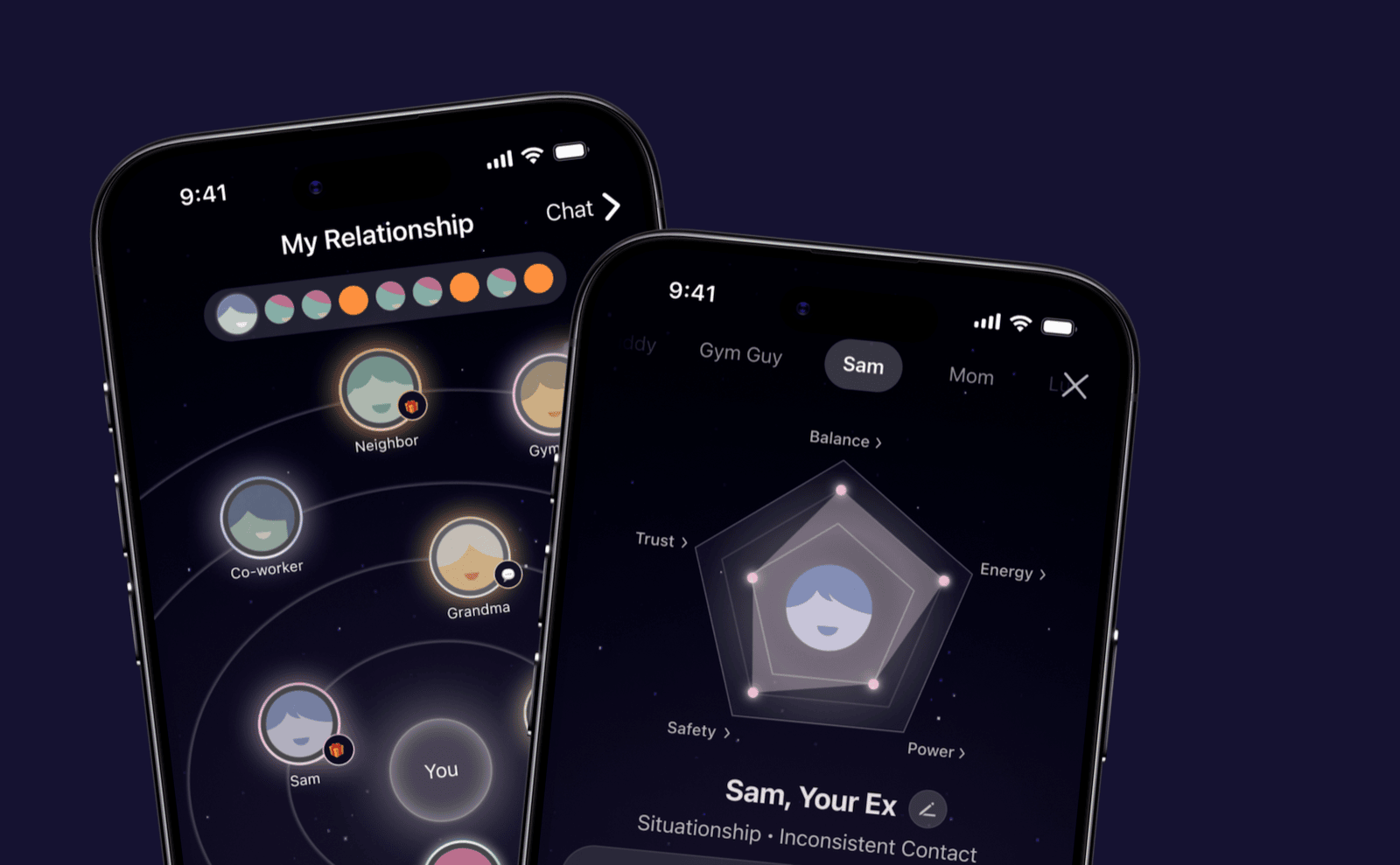
The Relationship Map remembers your partner's ongoing habits and shared history across entries, allowing companions like Cory and Pavo to provide relevant perspective without requiring repetitive backstory.
When should married partners seek professional support instead of an app?
When marital distress involves entrenched hostility, broken trust, or safety issues, couples should seek human counseling professionals rather than self-guided reflection apps.
How to Bring Your Reflection Back to an Honest Human Conversation
AI reflection is only useful if it returns you to real-world relationship communication. Use structured steps to bridge the gap between digital rehearsal and direct human dialogue.
Open Bestie AI or your preferred chatbot and extract the core underlying feelings identified during message rehearsal.
Why this works: A concise summary of your actual need (e.g., feeling overwhelmed by scheduling) rather than a list of past grievances.
Set aside your device and schedule a quiet, unhurried time to talk directly with your partner.
Why this works: Direct personal interaction without digital screens mediating the conversation.
Speak using your natural language and own your perspective directly rather than citing AI analysis.
Why this works: Authentic dialogue centered on mutual understanding rather than algorithmic validation.